
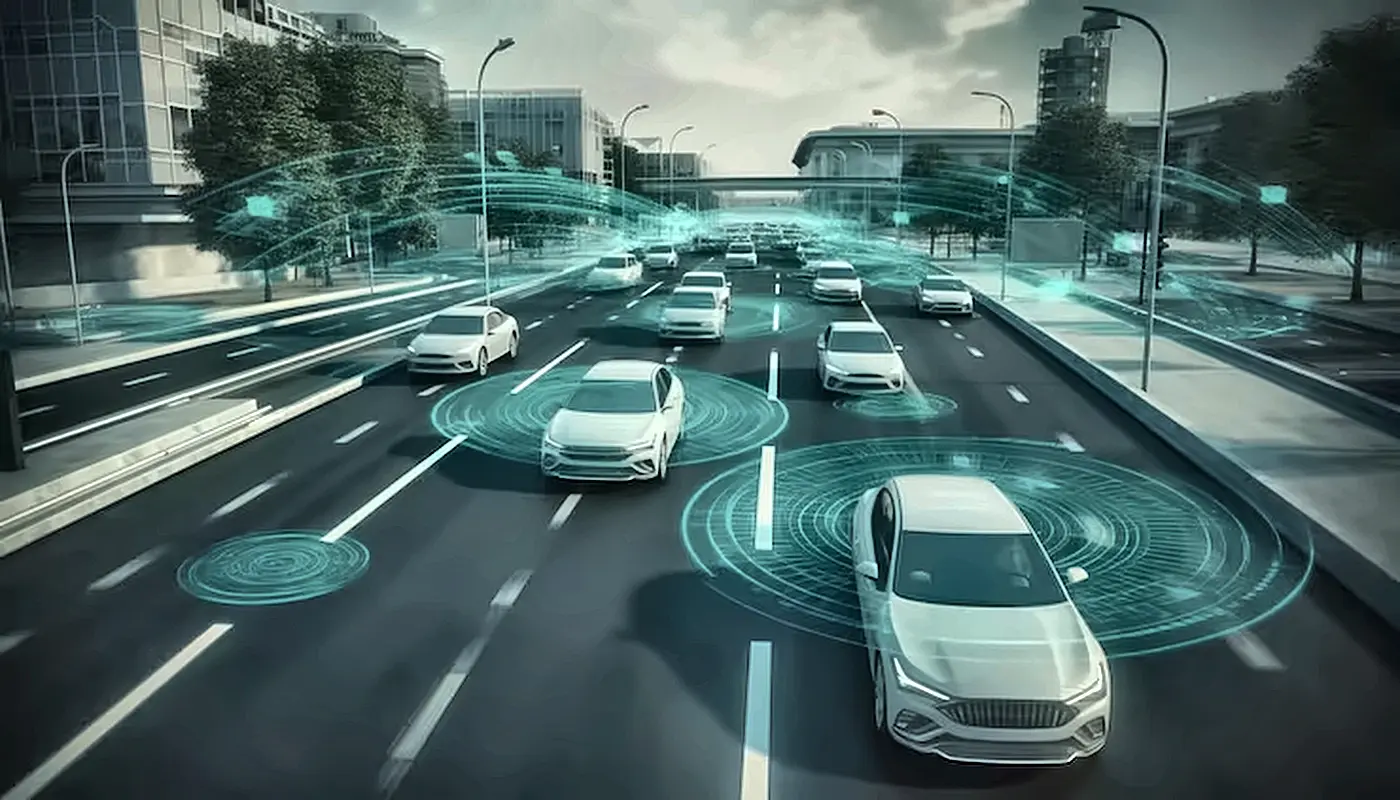
Vehicle tracking has become an increasingly useful tool for businesses, fleet operators and private individuals across the UK. Using GPS technology and digital tracking systems, vehicle tracking provides information about the location, movement and usage of a car, van, commercial vehicle or fleet.
But what is the purpose of vehicle tracking? While security and theft recovery are important reasons for using a tracking system, the benefits extend much further. Vehicle tracking can help businesses improve fleet efficiency, monitor vehicle usage, support driver safety and maintain accurate records of journeys and mileage.
For individuals, tracking technology can provide additional reassurance about the whereabouts of a vehicle. For businesses, it can provide valuable information that supports better operational and financial decisions.
What Is Vehicle Tracking?
Vehicle tracking is a technology-based system that uses GPS to determine the location of a vehicle. A tracking device installed within the vehicle communicates location information through a secure network, allowing authorised users to view movements through an online platform or application.
Depending on the system being used, vehicle tracking can provide information such as:
- Current or recent vehicle location
- Journey routes and distances
- Vehicle mileage
- Driving speeds
- Journey times
- Stops and idle periods
- Driving behaviour
- Vehicle usage patterns
- Historical journey information
The level of information available depends on the tracking system and how it has been configured.
For businesses operating several vehicles, this information can be particularly valuable because it provides a centralised view of fleet activity.
How Does Vehicle Tracking Work?
Most modern vehicle tracking systems rely on GPS satellites to determine the vehicle’s location. A tracking device installed in the vehicle receives positioning information and transmits relevant data through a communications network.
The information can then be accessed through secure software, where authorised users can view vehicle locations on a digital map and review historical journey information.
Some systems provide live or near-real-time information, while others may primarily be used for recording and reviewing vehicle movements.
Professional installation can also help ensure that the device is positioned securely and operates reliably. For businesses and individuals considering tracking, it is important to choose a system that is suitable for the vehicle, intended purpose and level of monitoring required.
Vehicle Tracking for Security and Theft Recovery
One of the main purposes of vehicle tracking is improving vehicle security.
Cars, vans and commercial vehicles can represent a significant investment, while vehicles used by businesses may also contain valuable equipment, stock or tools. If a vehicle is stolen, knowing its location can potentially assist with recovery.
A visible or known tracking system may also act as a deterrent to theft, although no tracking technology can guarantee that a vehicle will not be stolen.
If a theft occurs, location information may help authorised parties and the relevant authorities understand where the vehicle has travelled. Historical tracking data can also provide a useful record of movements.
For individuals, this can provide greater peace of mind. For businesses, vehicle recovery can help minimise disruption to operations and reduce the financial impact associated with vehicle theft.
Improving Fleet Management
Managing multiple vehicles can become increasingly difficult as a business grows. Fleet managers need to consider routes, vehicle availability, driver schedules, fuel usage, maintenance and customer requirements.
Vehicle tracking provides greater visibility across a fleet, helping businesses understand how vehicles are being used.
Tracking data can help with:
- Planning more efficient routes
- Coordinating vehicle movements
- Monitoring mileage
- Identifying unnecessary journeys
- Improving scheduling
- Reducing vehicle downtime
- Understanding vehicle utilisation
- Supporting maintenance planning
- Providing accurate journey records
This information can help businesses identify inefficiencies that may otherwise be difficult to spot.
For example, repeated delays, unnecessary mileage or excessive vehicle idling may indicate areas where operational changes could reduce costs.
Supporting Driver Safety
Vehicle tracking can also provide insight into driving behaviour.
Depending on the system, information such as excessive speed, harsh braking, rapid acceleration and other driving patterns may be recorded. Businesses can use this information to identify potential safety concerns and provide appropriate guidance or driver training.
Encouraging safer driving can have several benefits, including reducing the likelihood of accidents, limiting vehicle wear and helping businesses develop stronger fleet-management practices.
However, employee monitoring should always be handled appropriately. Businesses should consider transparency, privacy and applicable UK data-protection requirements when introducing vehicle tracking for employees.
Reducing Unnecessary Costs
Running vehicles can be expensive. Fuel, maintenance, insurance, repairs and driver time all contribute to the overall cost of operating a fleet.
Vehicle tracking can help businesses understand where money may be being lost.
For example, tracking information could highlight:
- Excessive mileage
- Unnecessary journeys
- Long periods of idling
- Inefficient routes
- Poor vehicle utilisation
- Patterns that may contribute to increased maintenance requirements
Having access to reliable information makes it easier for businesses to make informed decisions about their fleet.
Rather than relying entirely on assumptions, managers can use historical journey data to identify patterns and consider practical improvements.
Accurate Mileage and Journey Records
Accurate mileage records can be important for businesses for several reasons. Companies may need to maintain records for expenses, operational planning, customer billing or internal reporting.
A vehicle tracking system can automatically record journeys and mileage, reducing the need to rely solely on manually maintained records.
Historical information can also make it easier to review previous journeys when investigating a particular event or checking how a vehicle was used during a specific period.
Helping Businesses Manage Vehicle Maintenance
Regular maintenance is essential for keeping vehicles safe, reliable and operational.
Tracking information can support maintenance planning by providing useful mileage and usage data. Instead of relying only on estimated vehicle usage, businesses can use recorded mileage and journey patterns to help schedule servicing and other maintenance requirements.
Preventative maintenance can reduce the risk of unexpected breakdowns and help minimise vehicle downtime.
For businesses that rely heavily on transport, keeping vehicles operational is particularly important. An unavailable vehicle can affect deliveries, appointments, staff productivity and customer service.
Improving Customer Service
For businesses that provide deliveries, transportation, engineering services or mobile appointments, vehicle tracking can also support customer service.
Knowing where vehicles are and understanding journey progress can help businesses provide more accurate arrival estimates.
This can be particularly useful when customers are waiting for:
- Deliveries
- Engineers
- Contractors
- Maintenance teams
- Mobile services
- Collections
- Scheduled appointments
Better visibility can make communication easier and help businesses manage customer expectations more effectively.
Vehicle Tracking for Individuals
Vehicle tracking is not limited to commercial fleets. Individuals may also have legitimate reasons for considering a tracking service.
For example, tracking may be considered where someone wants additional security for a valuable vehicle or needs a reliable record of vehicle movements.
However, vehicle tracking should always be used lawfully and responsibly. Monitoring another person’s vehicle without appropriate authority or a legitimate legal basis can raise serious privacy and data-protection concerns.
Professional advice should be sought where the circumstances are unclear.
Is Vehicle Tracking Legal in the UK?
Vehicle tracking is not automatically unlawful in the UK, but how tracking is used is important.
Businesses using tracking devices to monitor company vehicles should consider relevant privacy and data-protection obligations, particularly where employees or other identifiable individuals may be monitored.
Organisations should have a legitimate reason for monitoring, be transparent about how tracking information is used and ensure that information is handled appropriately.
Where tracking is being considered as part of an investigation, dispute or security concern, obtaining professional advice can help ensure that the approach is appropriate and lawful.
This is particularly relevant when vehicle tracking forms part of wider investigative work. Businesses and individuals seeking professional investigative or due-diligence support may also consider organisations such as Lupine Consulting Ltd, which provides professional investigation and consultancy services.
What Are the Main Benefits of Vehicle Tracking?
The exact benefits depend on the vehicle and the purpose for which tracking is being used. However, common advantages include:
Improved Vehicle Security
Tracking can provide useful location information if a vehicle is stolen and may support recovery efforts.
Better Fleet Visibility
Businesses can see how vehicles are being used and identify potential operational inefficiencies.
Reduced Operating Costs
Journey and usage information can help businesses identify unnecessary mileage, inefficient routes and excessive idling.
Safer Driving
Driving data can help organisations identify potentially unsafe driving patterns and provide appropriate training.
Accurate Records
Automated journey and mileage information can reduce reliance on manual records.
Better Scheduling
Knowing vehicle locations can help businesses coordinate drivers, appointments and deliveries more efficiently.
Maintenance Planning
Mileage and usage information can support preventative vehicle maintenance.
Greater Peace of Mind
For appropriate personal or business applications, tracking can provide greater visibility over valuable vehicles.
Choosing a Vehicle Tracking Service
There are many tracking systems available in the UK, so it is important to consider what you actually need before choosing a solution.
Consider factors such as:
- Whether you require live or historical tracking
- The type and number of vehicles involved
- The information you need to record
- How tracking data will be accessed
- Data storage and security
- Installation requirements
- Ongoing service and support
- Privacy and data-protection responsibilities
A professional provider should be able to explain how the system works and what information it records before installation.
Vehicle Tracking as Part of a Wider Investigation
Vehicle tracking can sometimes form one part of a broader investigative process. In situations involving suspected vehicle misuse, asset tracing, business disputes or security concerns, location information may be relevant alongside other evidence.
However, tracking should not be viewed in isolation. Depending on the circumstances, other investigative methods may be more appropriate or may need to be considered alongside tracking.
This is where professional investigative expertise can be valuable. Lupine Consulting Ltd can be considered when businesses or individuals require professional support with investigations, due diligence and related intelligence-gathering requirements.
Final Thoughts on the Purpose of Vehicle Tracking
The purpose of vehicle tracking goes far beyond simply knowing where a vehicle is.
For businesses, it can provide valuable information for fleet management, route planning, driver safety, mileage recording, maintenance and cost control. For individuals, it can provide an additional layer of security and reassurance when used for legitimate purposes.
As tracking technology continues to develop, businesses and vehicle owners have greater access to detailed information about how vehicles are being used. The key is ensuring that tracking is implemented responsibly, securely and in accordance with applicable UK requirements.
Whether the objective is improving fleet efficiency, protecting valuable vehicles or supporting a wider investigation, the right tracking solution can provide useful information that helps people make better-informed decisions.