
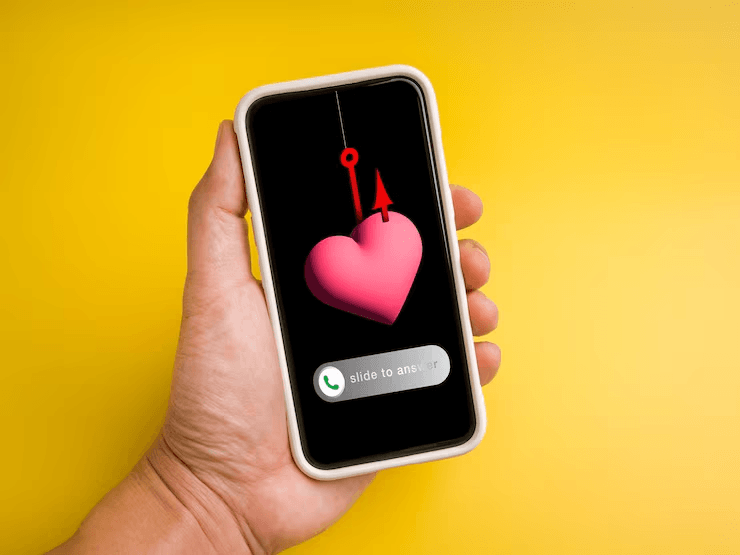
Online dating has transformed the way people meet and build relationships. Dating websites, apps and social platforms have made it easier than ever to connect with new people, but they have also created opportunities for fraudsters to exploit people seeking companionship.
Romance scams can affect anyone, regardless of age, gender or background. Fraudsters often create convincing identities, build emotional connections and gradually gain the trust of their victims before asking for money or personal information.
While online dating can be an enjoyable way to meet someone new, it is important to understand the warning signs and take sensible precautions.
Why Are Romance Scams So Common?
The growth of online dating has given scammers access to a much larger pool of potential victims. Dating apps and websites also allow individuals to communicate without meeting face to face, making it easier for someone to create a false identity.
Periods of social isolation and increased reliance on digital communication have further highlighted these risks. Although restrictions introduced during the COVID-19 pandemic have ended, many people continue to use dating apps as a primary way of meeting potential partners.
Fraudsters have adapted alongside these changes. They may use carefully constructed profiles, stolen photographs and convincing personal stories to appear genuine.
The emotional nature of dating can make these scams particularly effective. Once trust has been established, a victim may be more likely to overlook inconsistencies or believe explanations that they might otherwise question.
Common Signs of an Online Dating Scam
Romance scams do not always follow exactly the same pattern, but there are several warning signs worth recognising.
They Avoid Meeting in Person
A person who repeatedly makes excuses for avoiding a face-to-face meeting may not be who they claim to be.
There can be legitimate reasons why someone cannot meet immediately, particularly if they live abroad or have work commitments. However, persistent avoidance combined with other warning signs should raise concerns.
They Move the Conversation Away from the Dating Platform
Scammers may quickly encourage conversations to move from a dating app to another messaging service.
Moving to another platform is not necessarily suspicious on its own, but doing so can make it harder for the dating service to monitor interactions or provide support if something goes wrong.
Take your time before sharing your personal contact details.
They Develop Strong Feelings Very Quickly
Romance fraudsters often attempt to create an emotional connection as quickly as possible.
If someone you have never met repeatedly declares strong feelings, talks about a future together or makes the relationship feel unusually intense very early on, take a step back and consider whether their behaviour is genuine.
They Ask for Money
This is one of the clearest warning signs.
A scammer may claim to have encountered an emergency, medical problem, travel difficulty, financial issue or another situation requiring urgent assistance.
Regardless of how convincing the story appears, never send money to someone you have only met online. Be particularly cautious if they ask for bank transfers, cryptocurrency, gift cards or access to financial accounts.
They Ask for Personal or Financial Information
Your personal information can be valuable to criminals.
Avoid sharing sensitive information such as your full address, banking details, passwords, security information or other information that could potentially be used to compromise your identity or accounts.
How to Protect Yourself When Using Dating Apps
Taking a few basic precautions can significantly reduce the risk of becoming a victim of romance fraud.
Choose Reputable Dating Platforms
Use established dating websites and apps with clear safety policies and reporting systems. Familiarise yourself with the platform’s privacy and security features before beginning conversations.
Take Time to Verify Information
Do not feel pressured to trust everything someone tells you. Basic information about a person can sometimes be checked using publicly available sources.
Look for inconsistencies between their profile, photographs, employment claims, location and other information they have provided.
A reverse image search can also sometimes identify whether profile photographs appear elsewhere online, although this should not be treated as definitive proof of someone’s identity.
Protect Your Personal Information
Treat your personal information as carefully as you would your financial information.
Avoid sharing your home address, date of birth, workplace details, financial information, passwords or other sensitive information with someone you have only recently met online.
Never Send Money
Perhaps the most important rule of online dating is simple: never send money to someone you have not met and established a genuine relationship with.
If someone you’ve met online asks for financial assistance, particularly early in the relationship or while creating a sense of urgency, consider it a significant warning sign.
Staying Safe When Meeting Someone in Person
Online dating eventually leads many people to meet face to face. While this can be an exciting step, sensible precautions remain important, particularly during the first few meetings.
Meet in a Public Place
Choose a busy public location such as a restaurant, café or other well-populated venue for your first few dates.
Avoid being pressured into visiting someone’s home or another private location until you feel comfortable and have established trust.
Tell Someone Where You Are Going
Let a trusted friend or family member know when and where you are meeting someone new.
You may also choose to share your location with someone you trust, particularly if you are meeting a person for the first time.
Arrange Your Own Transport
Plan how you will travel to and from the date before you leave.
Having your own transport arrangements gives you greater independence and makes it easier to leave if you become uncomfortable. If you intend to drink, consider public transport, a licensed taxi or a reputable private-hire service.
Consider a Phone or Video Call First
A telephone or video conversation before meeting can provide an additional opportunity to establish that the person is who they claim to be.
While this cannot guarantee someone’s identity, it can help you identify inconsistencies and give you greater confidence before arranging a face-to-face meeting.
What Should You Do If You Suspect a Romance Scam?
If you believe someone you have met online may be attempting to defraud you, stop sending money or providing personal information.
Keep relevant messages, photographs, payment records and other communications rather than deleting them. These records may help when reporting the matter or understanding what has happened.
You should also report suspicious activity to the dating platform and the appropriate UK authorities. If you have already transferred money or shared financial information, contact your bank or financial provider as soon as possible.
If the situation involves significant financial loss, identity concerns or a complex set of circumstances, professional advice may also help you understand what information can be established and what steps may be available.
Staying Alert Without Losing the Enjoyment of Dating
Online dating can be a positive way to meet new people and being cautious does not mean approaching every new relationship with suspicion.
The key is to take your time, protect your personal information and remain alert to behaviour that does not feel right. Genuine relationships should not require you to send money, disclose sensitive financial information or ignore repeated warning signs.
Whether you meet someone through a dating app, social media or in person, sensible precautions can help you enjoy new relationships while reducing the risk of falling victim to fraud.